

From the province of Salerno to five continents: the brand that has brought the art of Southern Italian preserves to the highest levels of international quality
When Lino Cutolo founded the Compagnia Mercantile d'Oltremare in 1979, alongside his brothers Franco and Remo, the ambition was as clear as it was bold: to transform a deeply rooted Southern Italian tradition into a product capable of reaching tables across the globe. More than forty years later, that vision has become a reality recognised on all five continents, under a name that carries its meaning in every language - Ciao, the most universally known Italian word, an instinctive symbol of warmth and welcome.
The home of Ciao - Il Pomodoro di Napoli is Mercato San Severino, in the province of Salerno - a territory where volcanic soil, Mediterranean climate and centuries of agricultural knowledge have shaped one of the world's finest tomato-growing traditions. It is here that the brand's two signature products are born: the Roma Peeled Tomato, renowned among chefs and pizza makers worldwide for its firm flesh and exceptional cooking performance, and the San Marzano Tomato from the Agro Sarnese-Nocerino D.O.P. area, with its naturally low acidity, intense flavour and compact texture. The Protected Designation of Origin certification ensures full traceability and the highest production standards across the entire supply chain.
What distinguishes Ciao from the rest is not just the quality of its raw ingredient, but the discipline with which it is handled.
The Ciao Method is built around a single, non-negotiable principle: from harvest to can, only a matter of hours pass. This commitment to speed preserves every note of aroma, colour and flavour that the land of Southern Italy has poured into each tomato - making the final product a direct, faithful expression of its origins.
But behind every great brand, there are the people who choose it. The Ciao's Circle is the international community of chefs, pizza makers and culinary professionals who have made Ciao their ingredient of choice - not out of convenience, but out of conviction. Their daily endorsement, in kitchens across the world, is the most authoritative confirmation of a reliability and consistency built over decades.
From passata to cherry tomatoes, from concentrate to crushed tomatoes, the full Ciao range is completed by a line of canned legumes - a portfolio designed to bring the knowledge and flavour of the South to every recipe, in every corner of the world, with the same integrity that has defined the brand since its very first day.


There is an ingredient that, the moment it enters the kitchen, immediately shifts the brigade’s attention. It requires neither long introductions nor complex techniques to stand out: just opening a crate is enough to understand that you are facing something rare. The Red Shrimp of Mazara del Vallo belongs to this select category of products that are not simply “used” but interpreted.
Yet what is most striking is that its international reputation is built on a nearly paradoxical balance: a wild crustacean, caught in the extreme depths of the Mediterranean, which has become an icon of global fine dining without ever losing its most authentic identity. Its strength lies in being extremely simple and, at the same time, profoundly sophisticated.
For the professional restaurateur, it represents a powerful creative tool: an ingredient that does not need to be transformed, only interpreted with respect, precision, and contemporary sensibility.
The Red Shrimp of Mazara lives on the seabed of the Mediterranean, at depths between 200 and 1,000 meters. Its fishing grounds extend across Sicily, North Africa, and the Eastern Mediterranean, particularly in FAO zone 37.
Its most iconic feature is its deep, vivid red color, almost purplish, making it instantly recognizable. But its true value lies in its flesh: sweet, briny, firm, and surprisingly juicy, with an aromatic complexity that expresses itself beautifully even in raw preparations.
Mazara del Vallo, in the province of Trapani (Sicily), is the beating heart of this supply chain. Here, deep-sea fishing tradition has evolved into a highly specialized system, making this shrimp one of Italy’s most exported seafood products in global fine dining.

The success of the Red Shrimp of Mazara is no coincidence. Three factors make it unique:
• Deep, pristine habitat: life in cold, deep waters gives it structure and distinctive flavor
• No farming: it is exclusively wild, linked to fishing
• Advanced supply chain: onboard freezing has allowed quality preservation and global distribution without compromising perceived freshness
Not by chance, it is often referred to as “the fishermen’s red gold.”
In the daily work of chefs and fishermen, some surprising details emerge:
• During warmer months, the head can darken due to the presence of eggs, considered a sort of “natural caviar” of the shrimp
• It is one of the few Mediterranean crustaceans where the head has almost the same gastronomic value as the tail, especially in bisques and stocks
• It is often served raw or just lightly seared for a few seconds, to preserve its sweetness and texture
• It is one of the most frequently counterfeited seafood products on the global market, proof of its high demand in premium dining
In international professional kitchens, the Red Shrimp of Mazara has become a “signature” ingredient.
Its most iconic preparations include:
• tartare with extra virgin olive oil and citrus
• raw shrimp with a light marine emulsion
• linguine or spaghetti enriched with bisque
• very quick searing on grill or pan
The most widely shared technical rule among chefs is simple: extremely short cooking times or no cooking at all, to preserve its natural sweetness.
May is a strategic month to enhance red shrimp: spring climate and fresh seasonal ingredients allow elegant and contemporary combinations.
Recommended wines:
Seasonal ingredients to pair:
Dish ideas for professional dining:

Cerutti Inox announces the launch of its new website, which has been completely revamped in terms of design, content and functionality, and is designed to offer a simple, fast and intuitive browsing experience. The new portal represents a significant step forward in the company’s digital strategy and has been created with the aim of bringing the company closer to industry professionals and private customers.
One of the main new features is the introduction of e-commerce, which will allow customers to purchase Cerutti Inox products directly online, including professional pizza peels, oven kits, and stainless steel and aluminium accessories and utensils. The site will be accessible both to private customers, who will be able to shop quickly and securely, and to industry professionals.
Furthermore, it will be possible to register as a retailer and access a dedicated area with exclusive terms, designed to facilitate collaboration with retailers, distributors and commercial partners, both in Italy and abroad.
The new Cerutti Inox website will not only be an online shop, but also a space to discover new products, events, trade fairs, collaborations and special projects, confirming the company’s commitment to investing in innovation, communication and commercial development.
A new digital tool to bring us ever closer to those who choose Cerutti Inox quality and reliability every day.

May is the time when the wine list needs to “change gear”: less heavy structure, more tension, freshness, and verticality. Dishes become lighter, with wild herbs, spring vegetables, fresh cheeses, and more delicate meats. Wine must accompany, not dominate.
Here are 5 wines perfect for May, with technical pairings:
Franciacorta DOCG (Brut or Satèn)
Why: acidity, elegance, fine bubbles → perfect for starting a meal
Pairing:
👉 The bubbles cleanse, the acidity supports green notes.
Sauvignon Blanc (Alto Adige or Friuli)
Why: herbaceous aromatics and freshness
Pairing:
👉 Works through affinity with the vegetal and aromatic notes of the dish.
Verdicchio dei Castelli di Jesi
Why: balance between structure and acidity, great versatility
Pairing:
👉 A “gastronomic” wine: it holds structure without losing freshness.
Cerasuolo d’Abruzzo
Why: a rosé with more body, yet still fresh
Pairing:
👉 A perfect bridge between whites and reds: very useful on a wine list.
Pinot Noir (lightly vinified)
Why: elegant red, low tannins, also drinkable slightly chilled
Pairing:
👉 Offers complexity without weighing down the palate.

In May, the wine list should:
In this season, the customer looks for drinkability, but also identity. Build a list with:
👉 Fewer labels are better, as long as they are consistent with the season and the menu.

In the search for authenticity and tactile dining experiences, few pasta formats deliver as effectively as the Pici. Originating from southern Tuscany, particularly the Val d’Orcia area, pici are thick, hand-rolled strands of pasta defined by their irregularity, porous surface, and deeply artisanal character. For international hospitality professionals, they represent a powerful intersection between simplicity, craftsmanship, and menu differentiation.
Unlike extruded pasta, pici are traditionally made by hand using just flour and water, then rolled individually into long, uneven strands. This process is not just a technique, it is part of the narrative. Each piece carries slight variations in thickness and texture, which directly impact how the sauce adheres and how the bite is perceived. In an era where diners increasingly value “handmade” and “imperfect perfection,” pici offer a compelling sensory and visual identity.
Historically, they are associated with humble, rural cooking. Classic pairings include simple yet bold sauces such as garlic-based condiments (notably the famous aglione) or rustic meat ragù. However, their true potential in modern kitchens lies in reinterpretation.
In May, pici become an ideal canvas for seasonal, vegetable-driven cuisine. Their structure supports lighter sauces while still delivering depth and satisfaction.
Recommended directions:
👉 The goal is to shift from heavy winter ragù to fresh, aromatic, and textural compositions.

For chefs and restaurateurs, pici offer:
They can be served in generous, comforting portions or reduced into elegant, minimalist plates. Either way, they retain a clear identity.
In a global dining context increasingly focused on craft and origin, pici stand out not for complexity, but for their ability to transform simplicity into a refined, memorable experience.

In today’s international hospitality landscape, where lightness, seasonality, and technical precision are increasingly central, short-roasted veal represents a natural evolution of Italian tradition. This dish moves away from the classic long-roasted approach to offer a more contemporary version: pink-centered meat, a clean and essential jus, and spring vegetables that bring freshness and identity.
The technique may seem simple, but it requires strong control. Cuts such as loin or fillet of veal are quickly seared to develop Maillard aromas, then brought to a precise doneness while keeping the center slightly pink. The result is tender, juicy meat with a clean flavor profile, far from the drier textures of traditional roasts.
The jus is a key element: no longer a heavy, dense sauce, but a light reduction built from meat juices and mounted with a small amount of butter. This approach reflects a growing trend in contemporary Italian cuisine: enhancing the raw ingredient without masking it, working through subtraction rather than accumulation.
The vegetable component plays a crucial role in defining the dish. Seasonal ingredients such as artichokes, fresh peas, and agretti introduce a vibrant plant-based element, creating balance between sweetness, gentle bitterness, and herbal notes. It is precisely this interaction between meat and garden that makes the dish deeply contemporary.

Meat preparation
Bring the veal to room temperature, pat it dry, and season lightly with salt.
Searing
Sear in a pan with a small amount of oil until a uniform crust forms.
👉 Goal: develop flavor, not cook the interior.
Controlled cooking
Finish in the oven or at low temperature until the core reaches 52–54°C.
Allow to rest to redistribute juices.
Light jus
Deglaze the pan with a small amount of wine or stock, reduce, and mount with a knob of butter.
👉 The consistency should be fluid, not thick.
Spring vegetables
Plating
Slice the veal into pink-centered portions, glaze with the jus, and finish with the vegetables.

Flat-cooked tortelli (Tortelli alla lastra) are one of the most intriguing expressions of the culinary borderland between Tuscany and Romagna, in the Apennine mountain area of central Italy. For international hospitality professionals, they represent a powerful example of how a simple rural preparation can evolve into a contemporary, highly adaptable menu item with strong storytelling value.
The dish originates in the rural communities of the Upper Savio Valley, particularly around areas such as Verghereto, where food traditions were shaped by limited ingredients, seasonal availability, and essential cooking tools. In this context, families developed a filled dough cooked directly on a hot stone or metal plate, known as the “lastra”. This method was fast, practical, and ideal for mountain life.
The filling varied depending on the season and household, typically including potatoes, wild herbs, pumpkin, or simple local cheeses. The dough was sealed, flattened, and cooked until it developed a distinctive contrast: a crisp, toasted exterior and a soft, comforting interior. That dual texture remains one of the most compelling aspects of the dish today.
From a professional kitchen perspective, tortelli alla lastra are a ready-made concept for reinterpretation.

Their structure is simple enough to allow creativity, yet rooted enough to retain authenticity. In modern menus, they can be scaled down into bite-sized formats for tasting menus or aperitivo concepts, or elevated into signature dishes with refined fillings such as foraged greens, aged cheeses, mushrooms, or even modern plant-based combinations.
The cooking technique also translates well into contemporary kitchens. While traditionally made over wood-fired surfaces, they can be adapted using cast iron plates, planchas, or controlled griddles, preserving the signature rustic sear. Chefs can also experiment with flours, introducing whole grains or ancient wheat blends, to align with current sustainability-driven dining trends.
In menu design, flat-cooked tortelli work particularly well as a “bridge course”: something between bread, filled pasta, and street food. They carry strong narrative value, making them ideal for regional tasting menus or experiential dining formats focused on Italian mountain cuisine.
Ultimately, tortelli alla lastra are more than a traditional recipe, they are a flexible culinary format. For international chefs, they offer a way to connect simplicity, texture, and heritage into a dish that feels both authentic and refreshingly contemporary.

Lauretana is served on the tables of the finest restaurants around the world in its elegant transparent bottle designed by Pininfarina, created for the Ho.Re.Ca. sector and available in 750 ml and 330 ml glass formats. The design of the bottle and the choice of material give tangible expression to the lightness of Lauretana water. The sinuous shape of the glass is further enhanced by the innovative label, featuring a transparent mountain profile that creates elegant light effects.
A symbol of Made in Italy excellence, Lauretana is the lightest water in Europe, with only 14 mg/l of fixed residue. Thanks to its purity and low mineral content, it pairs perfectly with any dish, as it does not interfere with the flavours of food, but rather enhances the authentic taste of every recipe and the refined touch of the chef.
An authentic gift of nature, Lauretana water springs from the hydrogeological area of the Monte Rosa glacier, at over 1,000 metres above sea level, in an unspoilt environment. The water flows deep through an ancient underground granite bed, preserving all its original organoleptic qualities while remaining microbiologically pure.
Chosen by top chefs as well as by families, Lauretana is the ideal water to accompany every dish, as it respects and preserves its original fullness of flavour without altering its taste. Thanks to its unique characteristics, Lauretana water is ideal for the daily needs of both adults and children, a true teammate for sports enthusiasts, and a precious ally for mothers. It is also recommended for the preparation of baby food and advised during pregnancy and breastfeeding.
Lotus new bratt pans redefine the production core of professional kitchens.

In modern professional kitchens, the real challenge is no longer just cooking, but organizing production in an efficient, consistent and scalable way. This is where the bratt pan comes into play: not simply as equipment, but as a tool that reshapes the entire operational model.
If professionals ask themselves questions such as: How many portions do I replicate every day? How often do I remake my bases? How much staff do I rely on? Where do I generate waste? — the answer is clear: the bratt pan.
The bratt pan represents the production core of structured kitchens, becoming essential whenever volume, consistency and repeatability are required at the same time. It is not an accessory, but a strategic asset that helps reduce cost per portion, stabilize results and minimize operational risk.
Its applications are central to any organized kitchen: from braising (stews, goulash, slow-cooked meats) to sauce production (ragù, stocks, base sauces), from large-scale sautéing to the preparation of risottos and grains. Not to mention reductions and concentrates, where precise control of evaporation and heat distribution is critical to achieving consistent quality.
Within this framework, Lotus SpA introduces the renewal of its bratt pan range, designed to meet the evolving needs of professional foodservice.

The new configurations include 50-liter models (70 cm depth) and 80 and 120-liter models (90 cm depth), available in both gas and electric versions, with optimized power for high performance.
Innovation also enhances usability: faster and easier ignition, touch controls for precise management of cooking processes and energy consumption, a lid convertible into a practical working surface, and a front-mounted pull-out spray unit for easier cleaning.
The result is a machine that is more intuitive, efficient and perfectly aligned with modern kitchen workflows.
Because today, the difference is not made by those who cook more, but by those who produce better.

In today’s international hospitality landscape, increasingly driven by authenticity, sustainability, and territorial identity, the Upper Savio Valley stands out as a still underexplored yet highly strategic destination. Located along the Tuscan-Romagnolo Apennines, between inland Romagna and Tuscany, this area offers an immersive gastronomic route that combines landscape, agricultural production, and culinary culture.
The itinerary unfolds through a distributed network of sustainable farming realities and mountain territories that maintain a rare balance between human activity and nature. The experiential core is centered around Bagno di Romagna, a historic thermal and cultural reference point of the valley, and its surrounding rural areas, where the relationship with the land remains direct and seasonal. Moving towards San Piero in Bagno and Verghereto, the landscape becomes increasingly mountainous and wild, ideal for understanding regenerative agricultural practices and small-scale production systems.
Another key axis of the journey involves Sarsina, where historical and cultural heritage intersects with the inland food tradition, and Mercato Saraceno, an important area for the valorisation of native grape varieties from inland Romagna. Here, a distinctive wine identity emerges, based on rare, small-batch productions characterized by authentic and strongly territorial aromatic profiles.

The experience goes beyond tasting and includes hands-on learning activities focused on artisanal transformations such as jams, honey, and flours made from ancient grains. These moments allow hospitality professionals to observe traditional techniques reinterpreted through a contemporary lens, with a strong focus on raw material quality and culinary versatility.
Mountain cuisine is the common thread of the itinerary: dishes born from historical necessity are reinterpreted using modern techniques while preserving their original essence. This approach generates ideas for seasonal menus that successfully combine memory and innovation.
For international chefs and restaurateurs, the Upper Savio Valley thus becomes a living territorial laboratory. A place where landscape, ingredients, and tradition are coherently integrated, offering concrete tools to build a distinctive, contemporary gastronomic narrative deeply rooted in place.
Tapping into the growing popularity of pistachio as a symbol of indulgence and premium quality, Matilde Vicenzi unveils its Millefoglie Puff Pastry Roll with Pistachio Cream: a refined evolution of its iconic 192-layers puff pastry tradition. A product that seamlessly combines artisanal heritage with a contemporary flavor profile, reinforcing the brand’s commitment to excellence and innovation.

The new Millefoglie Pistachio Snack Roll features the signature light and crispy texture of Vicenzi’s puff pastry, wrapped around a smooth, velvety pistachio cream. The result is a harmonious balance of crunch and creaminess, delivering a rich and satisfying taste experience from the very first bite. Designed to elevate everyday snacking, it offers a premium twist on a classic format, appealing to consumers seeking both comfort and sophistication.
This latest addition strengthens Vicenzi’s positioning in the premium pastry segment, leveraging a trending ingredient to reinterpret tradition with a modern edge. Ideal for a personal treat or to share with loved ones, the Millefoglie Pistachio Snack Roll embodies the brand’s philosophy: where time-honored expertise meets contemporary indulgence.

Braciola (in Puglia often called “brasciola”) is not a simple grilled steak, as the name might suggest in other regions of Italy. In the culinary tradition of Puglia, it is a classic home-style dish—rich, comforting, and deeply associated with Sunday meals and convivial gatherings.
It consists of meat rolls, typically made with thin slices of beef (though variations using horse meat or pork also exist), filled with flavorful ingredients. The traditional stuffing includes:
Once filled, the slices are rolled up and secured with kitchen twine or toothpicks.
The defining feature of Puglian braciola is its slow cooking in tomato sauce. The rolls are first browned, then left to simmer gently for hours in the sauce, which gradually becomes richer and more intense in flavor.

The result is twofold:
This makes it a “complete” dish and a strong representation of southern Italian cuisine, where nothing goes to waste and each preparation serves multiple purposes.
For international restaurateurs, braciola is particularly interesting because it:
In short, Puglian braciola is an elevated form of comfort food with significant gastronomic storytelling potential.
Born in Modena in 1952, in the heart of Emilia-Romagna, MAM is a family-owned company founded by Malaguti family, now in its third generation of passionate craftsmanship.

For over 70 years, MAM has been designing and manufacturing professional ovens of the highest quality-not just tools, but true masterpieces of cooking, built for those who believe that the perfect pizza begins long before the dough hits the stone.
Pizza is more than food. It is culture, tradition, and it is an icon of Italian gastronomy recognized and loved across the world. At MAM, this belief drives every decision, every detail, every oven that leaves the workshop in Modena.
The Malaguti family always understood that innovation and tradition are not opposites but partners. Generation after generation, they refined their approach, combining cutting-edge technologies with the timeless precision of artisan craftsmanship. Each oven is the result of careful research into materials, design, and performance: a balance between aesthetic beauty and functional excellence that transforms any professional kitchen into a statement of identity.


MAM ovens are available in wood-fired, gas, combined, and electric configurations, both static and rotating. Each model is engineered to deliver outstanding cooking results while optimizing energy consumption. Beyond technical specifications, what truly sets mam apart is the care that goes into every single detail: the quality of the raw materials, the precision of the assembly, the elegance of a fully customizable design that enhances and defines the workspace.
Choosing a MAM oven means choosing a piece of Italian manufacturing excellence. It means trusting a family that has dedicated three generations to a single, clear mission: to help pizza makers around the world achieve perfection, one bake at a time.

In today’s increasingly competitive global dining landscape, standing out means telling the story of authentic territories through ingredients, techniques, and heritage. A tour through the Itria Valley, in the heart of inland Puglia, offers chefs, restaurateurs, and industry professionals a valuable opportunity to connect with a rich yet still relatively “non-mainstream” food culture.
This itinerary unfolds among traditional masserie (fortified farmhouses), true guardians of local heritage, where supply chains are short and quality is unmistakable. Here, participants can taste lesser-known but highly intriguing native wines such as Pugnitello and, by extending the route to nearby border wineries, Schioppettino di Manzano. These labels provide fresh inspiration for distinctive wine lists capable of surprising an increasingly curious international clientele.
The tour also includes visits to producers of DOP Valle d’Itria extra virgin olive oil, a cornerstone of contemporary Mediterranean cuisine. Understanding the oil’s diverse sensory profiles, from fruity to peppery, allows chefs to use it not merely as a finishing touch, but as a structural element of a dish.
Tastings continue with iconic cheeses such as Caciocavallo Podolico, complex and aged, and Ricotta forte, intense and fermented. These deeply rooted products can become the foundation for creative reinterpretations in modern menus.
A significant added value is the opportunity to join cooking classes focused on the handmade preparation of orecchiette and “brasciola”. These are not just tourist activities, but hands-on learning experiences that provide techniques easily transferable and adaptable to international kitchens.
April is the ideal time for this journey.


The mild climate encourages travel and outdoor activities, while the landscape comes alive with blooming olive trees and budding vineyards. From a culinary perspective, the season offers fresh ingredients such as wild asparagus, fava beans, artichokes, and early garden produce.
For hospitality professionals, this translates into a tangible advantage: gathering ideas for spring dishes, discovering new flavor pairings, and integrating authentic ingredients into seasonal menus. In a market where originality is increasingly in demand, the Itria Valley stands out as a valuable and still underexplored source of inspiration.

On the Asiago Plateau, when the snow retreats and the meadows begin to breathe again, the mountains change their face. The air fills with green aromas, the mountain huts reopen, and life returns to the slow, precise rhythm of cheese-making tradition.
Visiting the Asiago Plateau in spring means entering a territory that is still relatively undiscovered, yet capable of offering an authentic and rare gastronomic depth. Here, cheese is the main protagonist - especially Asiago DOP in its most mature and refined versions, alongside Monte Veronese, an equally significant expression of Alpine dairy culture.
The ideal itinerary starts from the mountain huts and small dairies of the plateau, where it is possible to closely observe production techniques and, above all, the aging process. It is precisely here that one understands how time, altitude, and animal feed have a decisive influence on the structure, aroma, and complexity of the cheeses. Tasting an aged Asiago directly in the place where it was produced means capturing all its nuances: notes of dried fruit, herbaceous hints, and an elegant, lingering savoriness.
Alongside cheese, an increasingly interesting element is represented by local craft beers. Breweries in the area often work with regional ingredients, creating products that pair perfectly with aged cheeses. Pairings thus become a technical exercise: carbonation cleanses the fattiness, while malty or bitter notes enhance the aromatic profiles of the cheeses.

The gastronomic journey is completed by a cuisine strongly tied to seasonality. In spring, wild herbs take center stage: dandelion, nettle, silene, wood sorrel, wild spinach, watercress, thyme, and many others enter dishes, bringing freshness and a light bitter component. These elements naturally pair with game, another cornerstone of the plateau’s cuisine, creating balanced and deep preparations.
For a professional, this type of experience represents much more than a simple gastronomic trip. It is an immersion into a production system where craftsmanship, territory, and seasonality coexist in an authentic way. Far from the most tourist-heavy circuits, the Asiago Plateau offers sincere raw materials and an approach to cooking that can become a concrete source of inspiration.
At a time when authenticity and territorial identity are increasingly central, this itinerary allows one to rediscover the value of time, manual skill, and the direct link between product and landscape. An experience worth living at least once, to bring back into the kitchen a more conscious and profound vision of one’s work.
Molino Dallagiovanna will present its main 2026 innovation at the next Tuttofood, scheduled at Rho Fiera Milano from May 11 to 14, 2026
Blackery: not just a simple combination of ingredients, but a special blend, the result of a careful selection of the best wheat and fine cocoa, designed to ensure a perfect balance between taste, aesthetics, and performance.

Born from the collaboration between Molino Dallagiovanna and Barry Callebaut, Blackery has been developed to offer professionals a versatile, ready-to-use, perfectly balanced, and superior quality solution to rethink and enhance the great classics of the art of baking—from desserts to pizza, bread, and fresh pasta—without the addition of any coloring.
The color and taste are completely natural, obtained through the use of high-quality cocoa verified by Cocoa Horizons, the sustainability program whose mission is to improve the living conditions of cocoa farming communities while protecting the environment and future generations.
Blackery has been designed to avoid waste and optimize processing times, thanks to a ready-to-use, well-balanced blend that is easy to work with and offers consistent, guaranteed performance.

The mix is available in Blackery Debole and Blackery Forte versions, which differ only in the strength of the flour and are suitable for all laboratory requirements.
Blackery Debole is ideal for crumbly doughs and whipped mixtures, crackers, and breadsticks. Mixed with Blackery Forte, it is also perfect for bread and pizza.
Blackery Forte is designed for large and small leavened products and in doughs where structure, elasticity, and extensibility are required, ranging from pastries to bread, pizza, and fresh pasta. Both products are available in 10 kg bags.
Come and discover the new Blackery blend at Tuttofood (HALL 8 – Stand K11)!

Main ingredients:
Late-season oranges or local citrus varieties, wildflower honey or citrus honey, wild fennel, wild thyme, bitter orange (for glaze), sugar, cream or classic semifreddo base, egg yolks (for structure), optional crunchy elements such as neutral biscuit or crumble.
In professional gastronomy, spring is one of the most exciting seasons for pastry: desserts become lighter in structure, sweetness is more restrained, and aromatic complexity takes center stage. Within this context, the orange, honey and wild herb semifreddo emerges as a dessert that blends classical technique with a modern interpretation of Mediterranean terroir.
The base of the dessert is an orange semifreddo, preferably made with late-season or local citrus varieties, which offer greater aromatic depth compared to standard oranges. Citrus is not just a refreshing note here, but the structural backbone of the dessert: acidity, natural sweetness, and essential oils from the zest create an elegant and persistent profile.
Supporting this base is honey, a fundamental ingredient not only as a sweetener but as a true identity marker. Wildflower honey or citrus honey brings floral and vegetal nuances that integrate seamlessly with the orange, softening acidity and adding depth. In a professional context, the choice of honey becomes strategic: each variety reshapes the final aromatic profile of the dessert.
The most distinctive element, however, is the infusion of wild herbs. Wild fennel and wild thyme introduce an aromatic dimension that pushes the dessert beyond traditional citrus pastry. These herbs, typical of the Mediterranean spring landscape, add green, balsamic, and lightly aniseed notes that make the dessert more complex and territorial in character. It is precisely this component that transforms the semifreddo from a simple preparation into a gastronomic narrative.
To finish the dish, a light bitter orange glaze introduces a more assertive and slightly tannic note. This element completes the flavor structure, balancing the sweetness of the honey and the creaminess of the semifreddo with a refined touch of bitterness, typical of Mediterranean citrus fruits.
On the menu, this dessert is far more than a final course: it is a statement of style that speaks the language of spring with confidence and precision. It carries the freshness of contemporary cuisine, the discipline of refined technique, and that aromatic spark that makes guests look up after the first bite. It is the kind of dessert that does not simply close a meal, but elevates it, leaving a clean, vibrant, and memorable impression—exactly what high-level gastronomy should aim to deliver today.

April is a transitional month in which mixology also shifts direction: we move away from the warmer, more structured profiles of winter and embrace fresher, more floral and vegetal expressions. For a restaurateur or bartender, this is the perfect moment to introduce cocktails that engage in dialogue with spring cuisine, highlighting seasonal ingredients and creating a harmonious experience between kitchen and bar.
The first proposal is the Spring Garden Spritz, a more elegant and botanical reinterpretation of the classic Italian aperitif. Made with elderflower liqueur, dry white wine, and soda, with a light citrus note, this cocktail stands out for its freshness and lightness. It pairs beautifully with delicate starters: fresh cheeses, seasonal vegetables such as asparagus and zucchini, or mild, lightly aged cured meats. Its floral character enhances dairy and vegetal notes, while the effervescence cleanses the palate.
The Tuscan Spring Highball plays on a balance of citrus, bitterness, and Mediterranean aromatics. Italian bitter meets fresh blood orange juice and rosemary-infused soda, with a subtle acidic touch from a few drops of white wine vinegar. It is a more dynamic cocktail, ideal for dishes with greater aromatic intensity.

It pairs especially well with flavorful cured meats, white meats, and preparations featuring wild herbs. The bitterness and acidity balance richness, while rosemary evokes the scents of Mediterranean cooking.
Finally, the Wild Herb Sour represents a more technical and structured choice. Made with young grappa or fruit brandy, wild herb syrup, and lemon juice, it is an aromatic and slightly balsamic cocktail. The optional addition of egg white gives it a silky texture, making it particularly suitable for more complex dishes. In pairing, it works best with fresh or semi-aged cheeses, artichokes, and preparations based on spring herbs. Its acidic and aromatic profile creates balance and depth.
These three cocktails demonstrate how, in spring, the bar can become a natural extension of the kitchen. Working with seasonal ingredients, delicate aromas, and balanced contrasts allows for a cohesive and contemporary offering, capable of enhancing each dish and delivering a complete, memorable experience to the guest.

In the countryside around Figline Valdarno in Tuscany, Soppressata was born as a symbol of rural cooking, where nothing from the pig was ever wasted. Families would gather during the winter months and, through gestures passed down for generations, transform even the less noble cuts into something rich in flavor and meaning.
The Soppressata di Figline is today one of the most authentic expressions of this philosophy. Made from the pig’s head, tongue, and skin, it is slowly cooked, delicately seasoned, and then pressed, resulting in a compact yet soft texture. Unlike more widely known cured meats, it does not rely on long aging or bold, aggressive flavors, but rather on a subtle depth, almost refined, which makes it highly versatile in the kitchen.
From a gastronomic perspective, its texture is what stands out: tender, rich, and closer to a terrine than a traditional salami. This makes it particularly interesting for contemporary chefs, as it allows for creative contrasts and pairings without the challenge of excessive saltiness or strong curing.
In spring, Soppressata di Figline finds one of its most compelling expressions. Ingredients such as fresh fava beans, peas, asparagus, and wild herbs provide the vegetal freshness needed to balance its richness. A classic yet effective pairing is with raw fava beans and young pecorino cheese, where the sweetness of the legumes and the saltiness of the cheese create a natural harmony.
In a more modern kitchen, it can take on a leading role in refined dishes: lightly seared to add a crispy element, incorporated into a fava bean cream, or paired with acidic components such as citrus or fermented vegetables. Even a simple spring vegetable broth can become an elegant dish when enriched with small pieces of soppressata, slowly releasing its aromas.
For an international chef, Soppressata di Figline represents much more than a cured meat—it is a concrete example of sustainable cooking ahead of its time, capable of honoring the whole animal without compromising on flavor. Featuring it on a menu means telling a story, but also working with a technical ingredient that adapts to different culinary languages.
In an era where authenticity and regional identity are increasingly valued, this Tuscan product proves to be a powerful tool for creating dishes that combine tradition and creativity.

In a world of global palates, Pinsa Romana redefines fast-fine dining with authentic Italian taste.
Created by Di Marco in 2001, it combines two aspects chefs and guests love: a crispy crust and a soft, airy interior. The result is light, easy to digest, and ready to enjoy in minutes, perfect for fast, modern service without sacrificing quality.
What makes Pinsa particularly appealing to international restaurants is its versatility. It pairs perfectly with every topping, and also effortlessly adapts to different dietary preferences. Vegan, Halal or Kosher needs can all be paired naturally with the same crispy base.
For restaurants serving a diverse and curious clientele, Pinsa becomes more than a dish. It's a canvas for flavor, tradition, and creativity.

When spring arrives, many international restaurants update their menus—but often in predictable ways. Asparagus, peas, and strawberries dominate, leaving behind a whole world of lesser-known Italian ingredients that can truly differentiate a menu.
For chefs and buyers looking to stand out, spring is not just about seasonality—it’s about discovery.
Still relatively unknown outside Italy, agretti are a perfect example of a high-impact, low-competition ingredient.
With their slightly tangy, mineral flavor and crisp texture, they work beautifully in:
👉 Why it matters: they deliver a “fresh and green” perception that customers actively seek in spring—while remaining unique.
A Roman classic that rarely appears abroad, puntarelle offer a distinctive bitter, crunchy profile.
Traditionally served raw with anchovy dressing, they are ideal for:
👉 Opportunity: bitterness is trending globally, but few restaurants use authentic Italian sources.
More aromatic and complex than cultivated fennel, wild fennel brings an intense Mediterranean character.
It works especially well with:
👉 Strategic value: adds depth and storytelling—two elements often missing in international menus.

Known but still underused outside Italy, zucchini flowers are often limited to fried versions. That’s a missed opportunity.
They can be used:
👉 Why they matter: high visual appeal + strong seasonal identity = higher perceived value.
Almost unknown internationally, silene is a wild herb with a delicate taste, traditionally used in rustic Italian cooking.
Perfect for:
👉 Competitive edge: rare ingredients create exclusivity—and exclusivity drives curiosity.

Using these ingredients is not just a culinary choice - it’s a positioning strategy.
They allow restaurants to:
And most importantly:
👉 they align perfectly with what customers want in spring - freshness, lightness, and novelty.
International menus often repeat the same seasonal patterns. But real differentiation comes from what others ignore.
Italian spring cuisine offers a deep reservoir of underutilized ingredients that can transform a menu from familiar to memorable.
For those in the horeca sector, the opportunity is clear:
not just to follow the season—but to lead it.

In April, it’s not just the weather that changes—customers change the way they read menus and, more importantly, what they choose to order. For restaurant professionals, understanding this shift is key to adapting your offer and maximizing both sales and margins.
As spring arrives, milder temperatures and longer days start to shape customer behavior. After months of rich, comforting dishes, both body and mind begin to look for something different: lighter, fresher, easier.
This isn’t just physical—it’s psychological:
👉 The result: demand for heavy dishes decreases, while “lighter” options become more appealing.
Here’s the critical point: customers don’t necessarily choose dishes that are actually lighter—they choose dishes that feel lighter.
What drives this perception?
👉 A dish can sell more simply by changing how it’s described.

Many restaurants just swap ingredients. The most effective ones rethink the psychological structure of the menu.
In April:
👉 The menu becomes a guiding tool, not just a list.
Three quick actions you can take:
In April, customers don’t want to eat less - they want to feel different. Lighter, more energetic, more in tune with the season. Those who can tap into this perception - before the actual need - gain an immediate competitive advantage.
And often, it takes less than you think: not changing the entire menu, but changing how it is perceived.

Performance, lightness and absolute control: the Cerutti Inox Pala 10 is designed for those who want to stand out in front of the oven and work with tools that guarantee precision, reliability and comfort throughout every stage of pizza preparation. Developed in collaboration with industry professionals, this peel strikes the perfect balance between technical innovation and build quality – essential elements for those who work at a fast pace every day and need high-performance, durable equipment.
The aluminium construction ensures maximum manoeuvrability and allows for quick, precise and effortless movements, improving pizza handling during the loading, rotation and unloading phases. Attention to detail and ergonomic design make the Pala 10 a reliable and practical tool, designed to facilitate the pizza chef’s work and guarantee consistent results over time.
Paired with the pizza peel and brush, the Pala 10 creates a complete and perfect kit for oven management, ensuring the professional always has the right tools at hand to work in an orderly, fast and efficient manner.
Available in elegant gold and light blue finishes, the Pala 10 is not just a work tool, but a true ally for those who aim for high quality standards and always want to achieve the best results. Because a great pizza also starts with the right tools.

The Timorasso represents one of the most fascinating and fast-rising expressions in the Piedmontese wine scene. Still considered a niche wine, it is steadily gaining recognition in quality-focused restaurants thanks to its distinctive identity, remarkable structure, and outstanding aging potential.
A rediscovered grape, now a symbol of its territory
Grown mainly in the Colli Tortonesi area, Timorasso is an indigenous grape variety that nearly disappeared during the 20th century, before being revived and championed in recent decades by visionary producers. Today, it stands as one of the leading white wines of Piedmont, capable of competing with top international wines in terms of complexity and longevity.
In the glass, it reveals a structure that is unusual for a white wine: full-bodied and textural, with pronounced sapidity and a vibrant acidity that supports its evolution over time. On the nose, it offers layered and intense aromas ranging from ripe yellow fruits to herbal notes, alongside mineral nuances and characteristic hydrocarbon hints that develop with age. On the palate, it is rich, persistent, and deep, with a long and dynamic finish.
Gastronomic versatility and value for wine lists
For professional hospitality, Timorasso represents a strategic choice: a wine capable of elevating the dining experience, especially within seasonal spring menus. It pairs exceptionally well with asparagus risottos, egg-based dishes with spring truffle, and complex vegetable preparations featuring bitter herbs and aromatic components.
Its structure also allows for more daring pairings compared to classic white wines, making it ideal for contemporary cuisine that seeks depth and identity. It is a wine that engages in dialogue with the dish—enhancing it without overpowering it, while adding an extra layer of flavor complexity.

An opportunity to stand out
Including Timorasso on a wine list means offering something distinctive and less conventional—an option that sparks curiosity while telling an authentic story of territorial revival. Its aging potential also opens the door to vertical selections and multi-vintage offerings, adding depth and sophistication to the program.
In conclusion, Timorasso is a white wine with character, designed for thoughtful and quality-driven hospitality. A wine that combines structure, freshness, and depth—perfect for enhancing seasonal cuisine and bringing elegance and personality to complex vegetable dishes.

The Casoncelli bergamaschi are one of the culinary treasures of Lombardy, representing a true symbol of Bergamasque gastronomic tradition. Traditionally a rustic and rich stuffed pasta, they can now be reinterpreted in a lighter, spring-inspired style, making them an elegant and versatile option for international restaurants.
A dish with deep roots
Casoncelli originated in the villages of the Bergamasque valleys as a hearty dish designed to sustain laborers after long days of work. The traditional filling combines meats, aged cheeses, breadcrumbs, and spices. For a spring version, the filling can be made lighter by incorporating seasonal vegetables such as asparagus and fresh herbs, complemented by soft cheeses like ricotta or taleggio, while preserving the dish’s identity.
How they are made

The light dressing allows the flavors of the filling to shine, creating a refined and harmonious dish.
Versatility for international dining
For chefs and restaurateurs, Casoncelli bergamaschi offer a unique opportunity: a traditional dish reimagined for modern menus. They pair beautifully with structured yet fresh white wines, such as a Piedmontese Timorasso or a Campanian Greco di Tufo, complementing their complexity without overpowering them. Ideal for tasting menus or gourmet brunches, they provide an authentic and distinctive sensory experience.
Springtime Casoncelli bergamaschi are much more than a stuffed pasta—they tell the story of Lombardy, showcase artisanal skill in fresh pasta-making, and demonstrate the Italian kitchen’s ability to adapt to the seasons. A refined, versatile, and authentic offering, perfect for enhancing any international restaurant menu with a memorable gastronomic experience.

Selezione Mille is here, the new line of Demetra sauces in a convenient 1000g format: a perfect solution for professional cooking, designed to guarantee convenience, high yield, and authentic flavors. Only 100% Italian tomatoes, selected ingredients, gluten-free and preservative-free, ready in 30 seconds.
The taste that speaks Italian, the quality you can savor in an ideal format: a solution designed for those seeking convenience, great yield, and authentic flavors. Perfect for bringing the chef-like quality of true Italian tradition to every dish.

The Greco di Tufo is one of Italy’s great white wines, a true expression of the elegance and enological depth of Campania. Produced mainly in the province of Avellino, this wine captivates with its structure, minerality, and remarkable aging potential, standing out on the international scene for its personality and authenticity.
A wine rooted in ancient history
Its origins date back to the time of Magna Graecia, when Greek settlers introduced this grape variety to Southern Italy. The name “Tufo” comes from the village of the same name and from the unique composition of the soil, rich in sulfur and minerals, which gives the wine its distinctive savory and slightly sulfurous character—an element highly appreciated by connoisseurs.
Made primarily from Greco grapes, this wine displays a firm structure uncommon for whites, along with intense aromas of yellow fruits such as peach and apricot, complemented by notes of almond and refined mineral hints, sometimes with a subtle smoky touch. On the palate, it is full-bodied, fresh, and persistent, with an elegant finish that invites another sip.

Highly regarded for its gastronomic versatility, Greco di Tufo pairs beautifully with structured seafood dishes, shellfish, flavorful pasta courses, and medium-aged cheeses. It is especially compelling with spring cuisine, where its freshness enhances ingredients such as asparagus, aromatic herbs, and seasonal vegetables.
Beyond its sensory qualities, Greco di Tufo represents a unique cultural and territorial heritage, preserved by generations of winemakers who continue to elevate this ancient grape through modern and sustainable practices. It is a wine that tells the story of Campania’s land and its deep-rooted winemaking tradition.
In conclusion, Greco di Tufo is a refined choice for those looking to offer an Italian white wine that combines structure, freshness, and identity. A wine that surprises, delights, and leaves a lasting impression—offering an authentic and deeply territorial sensory experience.

In the world of professional pizza-making, mozzarella is not simply an ingredient: it is an active variable that affects the structure, yield and taste of the final product. Caseificio Tonon has chosen to focus exclusively on fiordilatte mozzarella for pizzas, developing a specialisation in the field that has become one of its main hallmarks. This focus has helped us develop particular expertise in ensuring high yield and stability in the cooking process, combined with the offer of a timely service and a range of unique specialities.

Fiordilatte Tonon mozzarella stands out for its genuine taste of milk, its easy digestibility, and its well-controlled moisture content. The release of this moisture is a crucial factor for the pizza in the oven; it affects the structure of the dough and the balance of ingredients in the topping. The various Tonon solutions are designed to ensure even melting and a constant hold, adapting to the requirements of different styles of pizza.
Our offer is now divided into three complementary lines, designed to meet the varying needs of master pizza chefs.
The Classic Line is the heart of Tonon production: fiordilatte mozzarella, in many cuts and sizes, designed to suit different kinds of dough, types of oven and cooking temperatures. It is the ideal choice for any chef looking for a balance between taste, yield and reliability in their daily work. The classic line also includes a beechwood smoked variety, designed for pizza makers who want to add a special aromatic note to their recipes.
The Bio Latte & Fieno Line is made using milk from herds certified in line with regulations on haymilk production. A line that combines natural goodness, a controlled supply chain and quality of flavour, responding to the needs of pizzerias and restaurants that want to use organic ingredients without compromising performance in the cooking process.
The IQF deep frozen line, on the other hand, offers a highly efficient solution; it consists of individual cubes, julienne strips and cherries frozen using IQF technology
which preserves the structure, taste and properties of fresh mozzarella, while improving stock management and reducing waste. A genuine response to the needs for continuity of service and control of costs. Alongside its product lines, Tonon also offers special formats for different styles of pizza. The Julienne strips and Taglio Roma cuts are designed for the pizza romana and thinner forms of dough, where precise quantities, even distribution of the mozzarella and control of moisture are all crucial in preserving the crispness and structure of the base.
These references are certified by the Associazione Pizza Romana (A.P.R.), a body that works to promote Pizza Romana through training and a network of expert partners.
For the pizza napoletana, Tonon offers its Taglio Napoli and Taglio a Coltello, two solutions designed for rapid cooking at very high temperatures. The Taglio Napoli consists of irregular strips that can be spread widely over the pizza to ensure a creamy melt with distinctive elasticity. The Taglio a Coltello is taken straight from the ball and maintains higher moisture, resulting in a softer, juicier melt and even more elasticity.
The range also includes the mozzarella ball, ideal for those pizza makers who like to prepare their mozzarella by hand; it can be torn or cut with a knife, allowing you to choose how to spread the mozzarella over the pizza and so give your recipes a more personal touch.
In addition to offering quality products, Tonon also helps professionals by providing a well-organised and timely service, with technical advice about the choice of formats, support in managing processes and guaranteed continuity of supply. A partnership model built around the working requirements of today's pizzerias.
By offering a range based on three lines and specialising exclusively in mozzarella for pizzas, Caseificio Tonon has consolidated its role as a technical partner for the professional.


The Pastiera napoletana is one of the iconic desserts of Easter, a masterpiece of Neapolitan tradition that tells a story of history, ritual, and culinary identity. In modern catering, this classic finds a new expression in a finger format, designed for events and buffets, without losing its authentic soul.
Its origins are deeply rooted in Neapolitan culture, where simple ingredients like wheat, ricotta, eggs, and citrus transform into a complex and evocative dessert. The contemporary challenge is to reinterpret this iconic recipe in a practical, versatile way while preserving its delicate balance of flavors.
Elegance in single servings
The finger pastiera appears as small tartlets, cubes, or deconstructed portions, perfect for high-end buffets and catering. The aroma of orange blossom, the creamy filling, and the crisp pastry remain the stars, but the smaller format makes serving and enjoying it easier.
In finger format, attention to balance is key: the pastry base should be thinner so it doesn’t overpower the filling, which is the true centerpiece. The dessert reaches its peak flavor after one or two days, so preparing it in advance is recommended.

Finger portions can dry out more quickly, so proper storage is important, and a light refresh before service can help. Choosing the right format is strategic: tartlets for a classic effect, cubes for a modern touch, or deconstructed versions for dynamic settings.
Finally, flavors are more concentrated in smaller portions, so aromatic ingredients must be carefully dosed. Including a short description in your menu or buffet helps elevate the dessert—it’s not just a sweet treat, but a cultural symbol that enhances the guest experience.
The Neapolitan pastiera in finger format perfectly blends tradition with the needs of modern catering. It preserves its historical identity while adapting to contemporary service styles, making it a strategic choice for those who want to offer an authentic, elegant, and memorable dessert experience.

Italian cuisine has a rare strength: it is deeply rooted in collective memory, yet incredibly open to reinterpretation. It is precisely this balance that fuels a growing phenomenon in international gastronomy: classic Italian dishes, reimagined by chefs around the world, become global icons. Interestingly, these new versions are now influencing restaurants back in Italy.
Carbonara, pizza, risotto, tiramisù. Dishes that seem untouchable are deconstructed, recomposed, lightened, or enriched with new techniques and cultural influences abroad. The result is not a loss of identity, but often an expansion of culinary language. Take carbonara, for example, presented in a fine dining style with precise cooking, low-temperature pasteurized eggs, and guanciale elevated as a noble ingredient. Or risotto, transformed into a minimalist plate where a few elements convey technique, product, and terroir.
Pizza is perhaps the most emblematic example. From a popular symbol, it has become a subject of global gastronomic research. Alternative doughs, long fermentations, seasonal toppings, and refined presentations have brought pizza into gourmet restaurants in New York, Tokyo, and Copenhagen. This international success has had a direct effect in Italy as well, raising standards for ingredients, dough techniques, and service quality.

Classic desserts are also experiencing a renaissance. Tiramisù, reinterpreted in deconstructed forms, individual portions, or plated presentations, maintains its flavor profile while changing its shape and story. Abroad, these desserts become branding tools: familiar enough to be comforting, yet surprising in their novelty. This is an important lesson for Italian restaurateurs looking to engage an increasingly international audience.
The key for chefs and restaurateurs is understanding that reinterpretation works when it stems from a deep knowledge of tradition. Successful versions do not betray the original dish; they respect its soul while innovating in technique, texture, presentation, and service. This is where Italian cuisine demonstrates its modernity.
Bringing this success back to Italian restaurants means daring, but with awareness. It means viewing what happens abroad not as a threat, but as a creative laboratory. Classic dishes can become renewed signature plates, capable of telling the story of a contemporary Italy—proud of its roots, yet fluent in the language of the world.
When tradition opens itself to dialogue, Italian cuisine does not lose its strength: it multiplies it. And plate by plate, it continues to be a global phenomenon.

Italian foodservice is experiencing a true digital revolution. This is not just about following trends—it’s about leveraging technology to enhance cuisine, improve the customer experience, and strengthen the competitiveness of Italian restaurants worldwide. From delivery to interactive menus, digital innovations are transforming every stage of service, offering concrete opportunities for both traditional and high-end establishments.
Delivery: bringing italian flavors home
Delivery has been the first frontier of this transformation. In recent years, dedicated platforms and integrated apps have made it possible to bring Italian cuisine out of the restaurant without losing quality or identity. Pizza, fresh pasta, regional dishes, and traditional desserts reach customers’ homes while maintaining freshness and presentation, accompanied by digital storytelling that highlights ingredients and terroir. For professional restaurants, delivery is no longer just a sales channel—it is a marketing and storytelling tool: high-quality photos, detailed descriptions, and short videos allow customers to experience Italy even from afar.

Alongside delivery, digital and interactive menus accessible via QR codes or tablets at the table are on the rise. These tools not only reduce costs and simplify service but also provide precise information on allergens, ingredient origins, and pairing suggestions. For Italian restaurants abroad, they offer an opportunity to educate guests about Italian culinary culture, making each meal more immersive and engaging.
Ordering apps and digital reservation systems optimize time and resources, reduce errors, and personalize the experience. Loyal customers can receive suggestions about seasonal dishes, special events, or new menus, turning every visit into a direct and personalized interaction.
Finally, the digital foodie experience opens new creative frontiers. Live kitchen videos, storytelling about local producers, tutorials on traditional Italian preparations, or augmented reality showing ingredient origins—all these tools transform a meal into a multi-channel, engaging, and memorable experience.
For professional Italian foodservice, integrating technology and tradition does not mean compromising cuisine—it amplifies its value. Every digital innovation should convey the authenticity of the dish, bring Italy to the world, and create a direct dialogue with customers, both in the dining room and remotely. In an increasingly competitive market, those who combine culinary expertise with digital tools will hold the key to captivating a global audience, plate by plate, screen by screen.

Easter is the perfect time to surprise guests with seasonal cocktails that combine freshness, color, and nods to tradition. For professional restaurateurs and bartenders, serving original drinks is not just about alcohol: it’s about creating an experience, enhancing the menu, and delivering memorable moments during brunch, aperitifs, or after-dinner service.
Easter cocktails should evoke spring and the holiday spirit without being too heavy. Choosing the right ingredients is key: fresh flowers and herbs, seasonal fruits, light spices, and subtle references to traditional Easter desserts allow for visually striking and recognizable drinks.
Some standout options include:

Professional tips for service
In a restaurant or catering setting, these cocktails need to be visually appealing, practical, and consistent with the seasonal menu. Using attractive glassware, easy-to-serve portions, balanced flavors, and edible garnishes enhances the guest experience without complicating bar operations. Preparing some components in advance, like flavored syrups or fruit purees, allows for smoother service during busy events.
A bridge between tradition and innovation
Offering Easter cocktails tells a story: freshness, color, and tradition become tools of experiential marketing. Guests appreciate not only the taste but also the attention to detail, seasonality, and creativity.
In conclusion, Easter cocktails are a bridge between innovation and tradition, giving restaurateurs a unique opportunity to surprise and engage their clients. With seasonal ingredients, creative combinations, and elegant presentation, every toast becomes a memorable experience.
The Mimosa Cake is one of Italy’s iconic spring desserts, beloved for its lightness, sunny color, and visual elegance. Originally created as a tribute for International Women’s Day, this dessert tells a story of delicacy, creativity, and pastry mastery. In modern catering, the Mimosa Cake finds new life in finger or single-serving formats, perfect for events, buffets, and dessert tables, without losing its refined identity.
Its roots lie in the heart of Italian pastry: a soft sponge cake envelops a velvety custard or Chantilly cream, while small cake pieces decorate the surface to resemble mimosa flowers, a symbol of spring and renewal. The contemporary challenge is to reinterpret this classic in a practical and versatile way while maintaining the balance of softness, sweetness, and delicate aroma.

The Mimosa Cake in finger format can be transformed into mini tartlets, cups, or decorated cubes, ideal for spring buffets and high-end catering. The combination of soft sponge, light cream, and “mimosa” decoration remains the heart of the dessert, while the smaller format makes serving easier and enhances its visual appeal.

In finger format, it is crucial to balance the cream: it should be generous to highlight the softness but not so much that it becomes difficult to handle. The cake reaches its peak flavor a few hours after preparation, when the flavors meld and the sponge absorbs a touch of the cream. Single portions require careful storage: maintaining freshness and lightness is essential, and a light “touch of cream” or decoration at the moment of service can make a difference.
Choosing the right format is strategic: mini tartlets for a classic effect, cubes for a modern approach, or deconstructed cups for a dynamic and visually striking setup. In smaller portions, the flavors are more concentrated, so aromatic ingredients must be carefully measured. Including a short description on your menu or buffet helps convey the story and elegance of this dessert, turning each bite into a memorable experience.
The Mimosa Cake in finger or single-serving format perfectly blends tradition with modernity. It preserves the historical identity of a springtime classic while adapting to contemporary catering needs, making it a strategic choice for those who want to offer a refined, fresh, and visually stunning dessert that leaves a lasting impression on guests.

Organizing catering for events is not just about cooking well—it’s about creating a flawless gastronomic experience, coordinating menus, guests, venues, and service timing. Even experienced professionals can face challenges if planning isn’t precise. Here are practical tips, common mistakes to avoid, and strategies for managing the unexpected.
The key to success is careful planning. Understanding the client and the guest profile helps define the type of event, the number of participants, and specific dietary requirements. The menu should be balanced, seasonal, and aligned with the event’s theme. Tastings and trial runs, especially for large events, allow chefs to test preparation times, dish consistency, and flavor harmony, minimizing errors during service.
Frequent mistakes include underestimating preparation time, neglecting allergies or dietary restrictions, and overlooking the logistics of food transportation. Overloading a buffet with too many dishes can confuse guests and increase waste. Another common issue is poor communication between chefs, waitstaff, and the event manager—a lack of coordination can lead to delays and mistakes.

Being prepared for the unexpected is what separates ordinary catering from exceptional service. An emergency kit with extra utensils, backup ingredients, and equipment to maintain proper food temperature is essential. Always have a “plan B” for last-minute issues such as supplier delays or menu changes. Clear communication between kitchen and service staff, along with flexibility during service, is key to handling changes without compromising quality.
Single-serving portions and finger foods make service easier, reduce waste, and help manage large groups of guests. Presentation is important: a well-organized and visually appealing buffet enhances the perceived quality. Staff training in hygiene, service, and guest management ensures professionalism and consistency. Finally, collecting post-event feedback helps refine menu planning and organization for future events.
Successful event catering requires planning, precision, and adaptability. Avoiding common mistakes, preparing for the unexpected, and paying attention to every detail—from menu design to presentation—allows you to provide guests with a memorable experience. In professional catering, anticipating problems and managing them methodically is what distinguishes good service from truly exceptional service.

April is the perfect month to discover the gastronomic treasures of the Nebrodi and Madonie, two areas in northeastern Sicily rich in green landscapes, springtime aromas, and authentic local products. For a professional restaurateur, this itinerary is more than a journey through flavors—it’s an opportunity to be inspired by artisanal techniques and local ingredients that are often little known outside the region.
The journey begins in the Nebrodi forests, where a springtime walk through wild herbs, wild asparagus, and newly sprouted artichokes offers a direct connection to nature and the scents of the season. It’s the perfect opportunity to see how these spontaneous plants can enhance a spring menu, adding freshness and color to dishes.
Lunch features simple yet flavorful local products: homemade bread, fresh goat cheeses, and seasonal vegetables. In the afternoon, the itinerary includes a visit to local vineyards, exploring lesser-known native grape varieties and observing the first shoots of the season. The day concludes with a tasting of local wines paired with seasonal appetizers, an ideal moment to reflect on potential food and wine pairings for the restaurant.
The second day focuses on mountain flavors and traditional cheesemaking. Visiting artisanal dairies offers the chance to observe the production techniques of fresh and semi-aged goat cheeses, which often differ significantly from industrial methods. Lunch includes a tasting of these cheeses

accompanied by artichokes, fava beans, and local bread. In the afternoon, a hands-on cooking workshop allows participants to prepare homemade pasta and traditional dishes using the wild herbs collected earlier. This is a direct learning experience and a source of inspiration for creating spring menus in the restaurant.
On the third day, the journey continues in the Madonie, among gardens cultivated with artichokes, asparagus, and fava beans. Spring bursts into colors and aromas, with every ingredient reflecting the traditions of the region.
After a rustic lunch featuring freshly harvested products, small traditional farms are visited, showcasing artisanal techniques for preserves, cured meats, and local desserts. The day concludes with a tasting of native wines, exploring creative pairings with the spring products collected during the previous days—a valuable exercise for any chef aiming to innovate while respecting tradition.
Finally, the journey can end with a hands-on workshop to create dishes using the ingredients gathered throughout the tour. Sharing and tasting these creations provide opportunities for reflection and professional inspiration, offering concrete ideas for seasonal menus, signature dishes, and new pairings. This itinerary through the Nebrodi and Madonie, immersed in the Sicilian spring, is a complete experience of learning, inspiration, and culinary discovery.
Changing a menu is never a random operation. Every new proposal arises from a balance of observation, experimentation, and concrete inspiration. The goal is to create dishes that are contemporary, consistent with the restaurant’s identity, and capable of surprising without betraying the philosophy of the cuisine.

The first step is to observe seasonality and the local territory. A successful menu reflects the season and the place where it is created. In spring, for example, asparagus, artichokes, fava beans, and wild herbs become starting points for fresh, relevant dishes. But simply respecting seasonality is not enough: it is essential to reinterpret these ingredients using modern techniques, playful textures, and evocative presentations. A mousse of asparagus with a crumble of wild herbs or edible flowers, for instance, can transform a local product into a unique gastronomic experience.
Alongside attention to local produce, experimentation and engagement with producers and suppliers are fundamental. Every visit to vineyards, dairies, or markets becomes a sensory laboratory: textures, aromas, and flavors guide new combinations. At this stage, playing with unusual contrasts—sweet and savory, hot and cold—can create surprising and memorable dishes.
Reworking tradition is another cornerstone. The flavor memory of classic dishes allows chefs to reinvent traditional recipes without altering their essence. A stuffed artichoke, for example, can become an elegant amuse-bouche paired with fresh cheeses or unusual herbs, telling the story of local cuisine through contemporary techniques.
Travel and experiences outside the kitchen provide additional inspiration. Discovering wild herbs in a forest, artisanal cheesemaking techniques, or lesser-known local wines allows chefs to integrate innovative ingredients and methods into the menu, creating dishes that are stories to savor.
Finally, continuous feedback from both customers and the kitchen brigade is indispensable. Internal tastings, preview events, and sensory testing help fine-tune flavors, textures, and presentations. Creativity must always be balanced with coherence and the restaurant’s identity: every dish should have purpose, highlight the territory and the season, and deliver a complete sensory experience.
In summary, changing the menu means combining method and intuition. Observing, tasting, reinterpreting, experimenting, and listening become daily tools for a chef who wants to transform seasonal ingredients into emotions served at the table, with balance, elegance, and creativity.

The decision was made in New Delhi during the meeting of UNESCO’s Intergovernmental Committee: Italian cuisine has officially been recognized as Intangible Cultural Heritage of Humanity, the first cuisine in the world to receive this acknowledgment in its entirety. This historic achievement goes far beyond symbolism and directly involves the entire Italian agri-food and hospitality supply chain, both in Italy and abroad.
This recognition does not protect a single recipe, an iconic product, or a specific technique. UNESCO has acknowledged Italian cuisine as a complex cultural model, a “cultural and social blend of culinary traditions” capable of combining well-being, care for oneself and others, conviviality, and the intergenerational transmission of knowledge. What is being safeguarded is the everyday act of cooking, respect for ingredients, and the ritual of sharing a meal—core values that define the Italian way of life.
With this recognition, Italy further consolidates its global leadership: out of 21 Italian traditions already protected by UNESCO, nine belong to the world of food and agri-food culture. From the art of the Neapolitan pizzaiolo to the Mediterranean diet, from Italian espresso to truffle hunting and extraction, and now Italian cuisine as a whole, gastronomy clearly emerges as a central element of national identity. For professional restaurateurs, this means operating within a globally recognized heritage that enhances credibility, authenticity, and cultural value.
Among the key elements highlighted by UNESCO is the strong social and community dimension of Italian cuisine. It promotes inclusion, supports intergenerational learning, values anti-waste practices, and strengthens a sense of cultural continuity. For chefs and restaurateurs, these principles translate into concrete actions: seasonal menus, transparent supply chains, staff training, respect for raw materials, and the enhancement of artisanal skills and human capital.
The nomination dossier, curated by jurist Pier Luigi Petrillo, demonstrated that Italian cuisine is the result of collective work carried out within communities, businesses, and restaurants. This is where the recognition becomes tangible. Those working in hospitality today are not just interpreters, but guardians and innovators of a living heritage, officially protected at a global level. Bringing Italian cuisine to the world now means more than serving dishes—it means conveying a culture built on quality, authenticity, and a contemporary vision of tradition.

Who said that authentic Neapolitan pizza can only be made in a wood-fired oven? Breaking the myth is Opale, the professional electric oven from Sud Forni, recently certified by the Associazione Verace Pizza Napoletana.
An important milestone that marks a turning point: technology doesn’t erase tradition - it can enhance it. In fact, Opale precisely replicates the ideal conditions outlined by the AVPN guidelines: clay baking surface, high and consistent temperatures, and fast, even cooking. All of this, without an open flame.
The result? A pizza with a light, perfectly golden crust, a crisp base, and a soft, expressive dough that retains its soul. More than that, it's a certified pizza. The “Approvato per la Pizza Napoletana” logo isn’t just a sticker on the oven—it’s a guarantee of authenticity, quality, and professional excellence.
With Opale, Sud Forni creates a new balance between tradition and innovation. Because today, making the true Neapolitan pizza means knowing how to bake it… anywhere!

Di Marco’s global vision continues to grow in 2025, with a strategic presence at top international trade shows. Following the launch of its North American division, the company Keeps expanding further, introducing the excellence of the Original Pinsa Romana to new markets around the world.
In the coming months, Di Marco will take part in high-profile events in the United States, including the recently concluded Chicago trade show and the upcoming Summer Fancy Food Show in New York. A key opportunity to showcase new taste experiences and innovative concepts across three days of delicious discoveries, exciting opportunities, and bold explorations into the future of food.
This fall, Di Marco returns to Europe as a key player at Anuga 2025 - the leading international Food & Beverage trade show in Cologne. It’s a renewed chance to present its Pinsa Bases to foodservice and retail professionals in search of a distinctive, artisanal product that’s easy to manage. The secret lies in its handcrafted, versatile dough: made with selected flours, long fermentation, designed for easy storage, and quick prep. Crispy and ready in just 5 minutes, it’s the bakery innovation that adds a fresh twist to every menu. Why not give it a try?


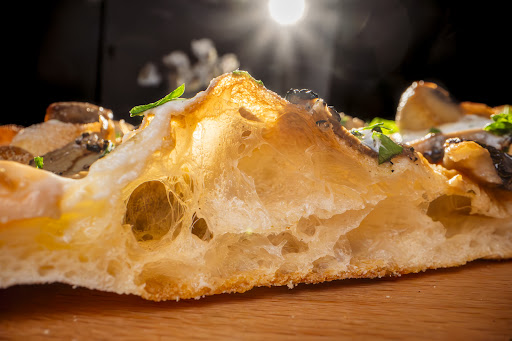
Massimo Bottura opened Osteria Francescana in Modena in 1995. An innovator and restaurateur for more than thirty years, Bottura has consolidated his reputation as one of the world’s most innovative culinary figures. His internationally renowned three-Michelin-starred restaurant, Osteria Francescana, was nominated number 1 in The World’s 50 Best Restaurants list in 2016 and for the second time in 2018. It has been part of the Best of the Best list since 2019, a category including all restaurants that ever ranked first in The World's 50 Best Restaurants list.
Massimo Bottura's journey began in 1986 with the acquisition of Trattoria del Campazzo, on the outskirts of Modena. Bottura consolidated his culinary bases on a combination of regional Italian cuisine and classical French training, with the assistance of the traditional heritage of rezdora Lidia Cristoni – in Modenese dialect the lady who makes fresh pasta – working by her side in the Campazzo kitchen and a weekly apprenticeship with French chef Georges Coigny at his restaurant in the hills of Piacenza. In 1994 Bottura sold Campazzo to leave for Montecarlo to work alongside Alain Ducasse at Louis XV. This experience, recognized as one of the most valuable by the chef himself, led him to open Osteria Francescana a year later in his hometown of Modena.
The Osteria Francescana cuisine combines tradition and innovation. Its dishes explore the deep roots of Italian cuisine while making references to history, art, literature and philosophy. In 2002, Bottura received his first Michelin Star, followed by the second in 2006. Among the numerous awards is the prestigious “Grand Prix de l’Art” from the International Culinary Academy in Paris in 2011. In late November 2011, Osteria Francescana was finally awarded the third Michelin Star, a confirmation of the chef’s lifelong ambition. Osteria Francescana is ranked at the top of the Italian food guides ever since.


Massimo Bottura is acknowledged, among other things, for his commitment against food waste and social isolation, calling for social responsibility among the culinary community since his participation at Expo2015 in Milan.
During Expo, the chef created an off-site project called Refettorio Ambrosiano, in order to tackle the problems of hunger and food waste as two sides of the same coin. Since the birth of the project, more than sixty chefs from around the world joined Bottura in his community kitchen to transform food surplus into healthy meals for those in need.
While Osteria Francescana invites diners on an iconoclastic re-imagining of the Italian cuisine, Bottura’s second restaurant, Franceschetta58, is a casual restaurant that features exceptional ingredients served in a convivial atmosphere. With his menu, head chef Francesco Vincenzi interprets Emilian culinary culture with a contemporary look, working closely with small local producers.

Gucci Osteria da Massimo Bottura opened in 2018 in Florence, the cradle of the Renaissance, with the desire to honor the marriage between local traditions and multicultural encounters. The menu, created by co-executive chefs Karime López and her husband Takahiko Kondo, aims to celebrate their culinary experiences around the world through the use of best quality Italian ingredients: the restaurant was awarded its first Michelin Star in 2019. In early 2020, Gucci Osteria da Massimo Bottura opened its doors to the public in Beverly Hills, Los Angeles, and more recently, in Tokyo(August 2021), and in Seoul (February 2022), with great success. In November 2022 Gucci Osteria da Massimo Bottura Tokyo received its first Michelin Star.
In 2019, Massimo Bottura and his wife Lara Gilmore opened Casa Maria Luigia, a 12-room guest house on an 18th-century property surrounded by the agricultural landscape of the Emilian countryside, manicured gardens and contemporary art, with the desire to extend the art of hospitality beyond the doors of Osteria Francescana. FRANCESCANA at Maria Luigia is a dining experience that takes place in a renovated carriage house with open kitchen and communal tables. The culinary journey features a 9-course tasting menu with a selection of the most iconic dishes from Osteria Francescana including “Five Ages of Parmigiano Reggiano”, “The Crunchy Part of the Lasagna”and “Oops! I Dropped the Lemon Tart”.
In June 2021, Massimo Bottura reopened the Cavallino restaurant in collaboration with Ferrari, alongside the architect and designer India Mahdavi, with the desire to give new light to this iconic place that represents the history of Ferrari and the culinary traditions of Emilia Romagna. Today, the kitchen of Enzo Ferrari’s historic restaurant is run by Chef Virginia Cattaneo and the Modenese chef Riccardo Forapani, who arrived at the Cavallino after 13 years of experience at Osteria Francescana. They serve a cuisine that delicately balances traditional cooking and innovative culinary techniques, using the best local ingredients and artisanal products.

In addition to the restaurant business, Massimo is the founder and curator of the Villa Manodori product line of award-winning balsamic vinegar and olive oil, expressing a lifetime pursuit of quality ingredients. Today the complete product line can be purchased online and in the finest gourmet shops around the world.
In 2023, Massimo Bottura and his wife Lara Gilmore received the Premio Diplomazia Culturale (Cultural Diplomacy Award) conferred on them by the Consulate General of the United States of America.
2024 saw the opening of Torno Subito, a restaurant that aims to transport its guests on a journey through time, capturing the sophisticated yet relaxed atmosphere typical of the Romagna Riviera in the 1960s. First in Singapore, in partnership with COMO Group, and later that year in Miami, in collaboration with King Goose Hospitality. In May, Casa Maria Luigia was awarded three Michelin Keys, a recognition dedicated to hospitality. In November, the restaurant Al Gatto Verde received both a Green Star and a Michelin Star by the Michelin Guide.
Credits
Portrait: Letizia Cigliutti
Restaurant (interior): Paolo Terzi
"Our mill is celebrating its 320th birthday. With pride, we continue to look ahead while holding on to two simple values: love and passion" says Alberto Naldoni, CEO, words spoken directly from Molino Naldoni’s stand at Tuttofood in Milan, accompanied by Master Pizzaiolo Luciano Sorbillo, global ambassador of Neapolitan pizza and partner of Molino Naldoni.
With two milling plants and a daily production of 450 tons of wheat—over 80% of which is Italian—Molino Naldoni is experiencing significant growth both in Italy and abroad. It is a perfect example of the best Made in Italy has to offer, especially in the pizza market, where it is gaining recognition with Smorfia, a flour made from 100% Italian wheat and approved by AVPN.
In 2025, the company has focused its efforts on the international launch of Eterea, a type ‘0’ flour with a W320 strength, made with toasted wheat germ. “Eterea is an extremely versatile product that we recommend for contemporary pizza, ruota di carro style, and Roman-style pizza” explains Luciano Sorbillo. Eterea's distinctive feature is its toasted wheat germ content, which makes it particularly rich and nutritious, resulting in a light, fragrant, and well-aerated dough. “Eterea,” Sorbillo continues, “is the right flour for our times. In direct dough preparations, it allows for above-average water absorption, and the toasted wheat germ gives it a unique flavor and color.”
Eterea is traveling the world. After its debut at Sigep, its journey continued across the most important trade fairs in the industry, bringing Italian quality to the global stage: from Lyon to Dubai, from Las Vegas to Riyadh, with stops in Madrid, Milan, and Cologne.
A global success that reaffirms Molino Naldoni’s mission: to reshape tradition with passion, expertise, and Italian wheat.

When it comes to meat mincers, Fimar is the first name that comes to mind!
We’ve been manufacturing meat mincers since 1979 - back when there were very few producers and only a single model available.
Today, our range includes everything from compact models with 8 kg bowl capacity to larger versions up to 32 kg. The models come in different configurations, with either full-body casings or aluminum structures.
Reverse function and fully removable grinding unit make cleaning easier and faster - an essential advantage for practical, time-saving use.
Thanks to a complete set of knives and plates, you can achieve any type of grind in just minutes.
Fimar meat mincers are solid, reliable, and built to last.
Partner with a company that’s been shaping the future of professional foodservice equipment for over 50 years.
Become a distributor or explore our full range at: fimarspa.it
Contact our Sales Director Gian Paolo Aversa and discover our company!

A celebration of Italian excellence: new truffle-based delicacies introduced to international buyers
La Rustichella Truffles proudly showcased its latest gourmet innovation at the renowned TuttoFood trade fair in Milan, captivating food enthusiasts and international buyers with the debut of a new line of truffle flavoured spreadable cream.
Known for its premium truffle products that combine tradition with refined taste, La Rustichella Truffles continues to elevate Italian excellence on the global stage. The newly launched creams featuring black truffle flavoured hazelnut chocolate, white truffle flavoured white chocolate and black truffle flavoured pistachio are designed to bring a touch of luxury to everyday treats, from simple topping to fine dessert creations.
The response at TuttoFood was enthusiastic, with visitors praising the perfect balance of authentic truffle aroma and smooth, creamy texture. It is an absolute innovation in the world of sweet truffles with its surprising and unique taste, capable of creating new consumptions opportunities.
This launch marks a significant step in the brand’s international expansion strategy, offering gourmet consumers around the world a new way to experience the magic of truffles.
For more information or distribution inquiries, visit www.larustichellatruffles.com


Caseificio Tonon, a longstanding partner of master pizza-makers, presents two new Fiordilatte mozzarella options designed for professional use: Taglio Roma and Taglio a Coltello.
Taglio Roma is ideal for quick baking and ready-made bases such as pinsa, pala, pan, or tray pizzas. The small, uniform cubes are easy to portion and ensure even distribution, reducing prep time and guaranteeing consistent results. During baking, they melt evenly without releasing excess liquid, keeping the mozzarella white and stretchy. The full, fresh milk flavor enhances every bite, raising the overall quality of the pizza.
Taglio a Coltello, inspired by the artisanal cut of bocconcino, is designed for more experienced pizzaioli. Its irregular shape requires careful handling but offers a unique texture. Perfect for short, high-temperature bakes—such as Neapolitan pizza—it melts into a soft, dry finish that brings out the best in every ingredient.
With over sixty years of expertise, Caseificio Tonon continues to innovate, delivering high quality, reliable service, and tailored support for pizza professionals.

Leverano DOC is a renowned Italian wine designation from the Salento area in Puglia, southern Italy. This DOC zone produces exceptional red, white, and rosé wines that showcase the unique character of indigenous grape varieties and the region’s Mediterranean climate.
The Leverano DOC region boasts a rich viticultural history dating back centuries, rooted in traditional farming passed down through generations. The main grape varieties used are Negroamaro and Malvasia Nera for reds and rosés, while whites primarily use Verdeca and Malvasia Bianca. Negroamaro, meaning “black bitter,” is native to Puglia and gives Leverano wines their deep color, bold aroma, and balanced tannins.
Leverano DOC wines are known for their elegance and versatility.

Leverano DOC wines are perfect companions to many dishes:
Leverano DOC wines provide authentic flavors of Puglia’s terroir at an excellent value, making them a favorite among wine lovers looking for quality and tradition. Whether you prefer a robust red or a refreshing white, Leverano DOC offers something for every palate.
Explore Leverano DOC wines today to experience the rich heritage and bold flavors of southern Italy’s Puglia region!

Caprese salad, or Insalata Caprese, is one of Italy’s most beloved dishes. Known for its fresh ingredients and vibrant presentation, Caprese is a celebration of Italian culinary philosophy: simplicity, quality, and seasonality.
Named after the island of Capri in southern Italy, Caprese salad first gained popularity in the 1950s as a patriotic dish. Its ingredients—tomatoes (red), mozzarella (white), and basil (green)—mirror the colors of the Italian flag. Originally served as an antipasto in local trattorias, the dish quickly became a staple across Italy and internationally.
Making Caprese salad is as simple as it is delicious. Here’s what you need:
Slice the mozzarella and tomatoes into even rounds.
Optional additions include a splash of balsamic vinegar or a sprinkle of oregano for extra flavor.
Caprese salad pairs wonderfully with:
Why Caprese salad stands out
Caprese salad is gluten-free, vegetarian, and rich in nutrients. It’s ideal as a summer appetizer, a side dish, or a light lunch. Its balance of creaminess, acidity, and herbaceous notes makes it universally appealing.


Cream with Pecorino Romano P.D.O. cheese, butter and pepper. To be used for the preparation of the classic Italian “Cacio e Pepe” pasta, excellent for the preparation of pizzas and crostini or as a side sauce for burgers. Gluten free.
Cacio e Pepe is a simple cream, but rich in history and curiosity. It is said to have ancient origins, among the shepherds and farmers of the Agro Romano, who prepared it with long-life ingredients. This dish is famous for its creaminess obtained with the right creaming of the pecorino romano and the cooking water.
PIZZA CACIO E PEPE
Ingredients for 1 pizza
80g mozzarella
40g Cream "Cacio e Pepe"
30g broad beans
q.s. Peppercorn Cuvée, Spice Mixture Coarse
Method
Top the pizza base with all the ingredients and bake in the oven.
When cooked, sprinkle the pizza with pepper.


©2026 Accademia Group srl | All rights reserved
